
Getting Child Inclusive Mediation Right
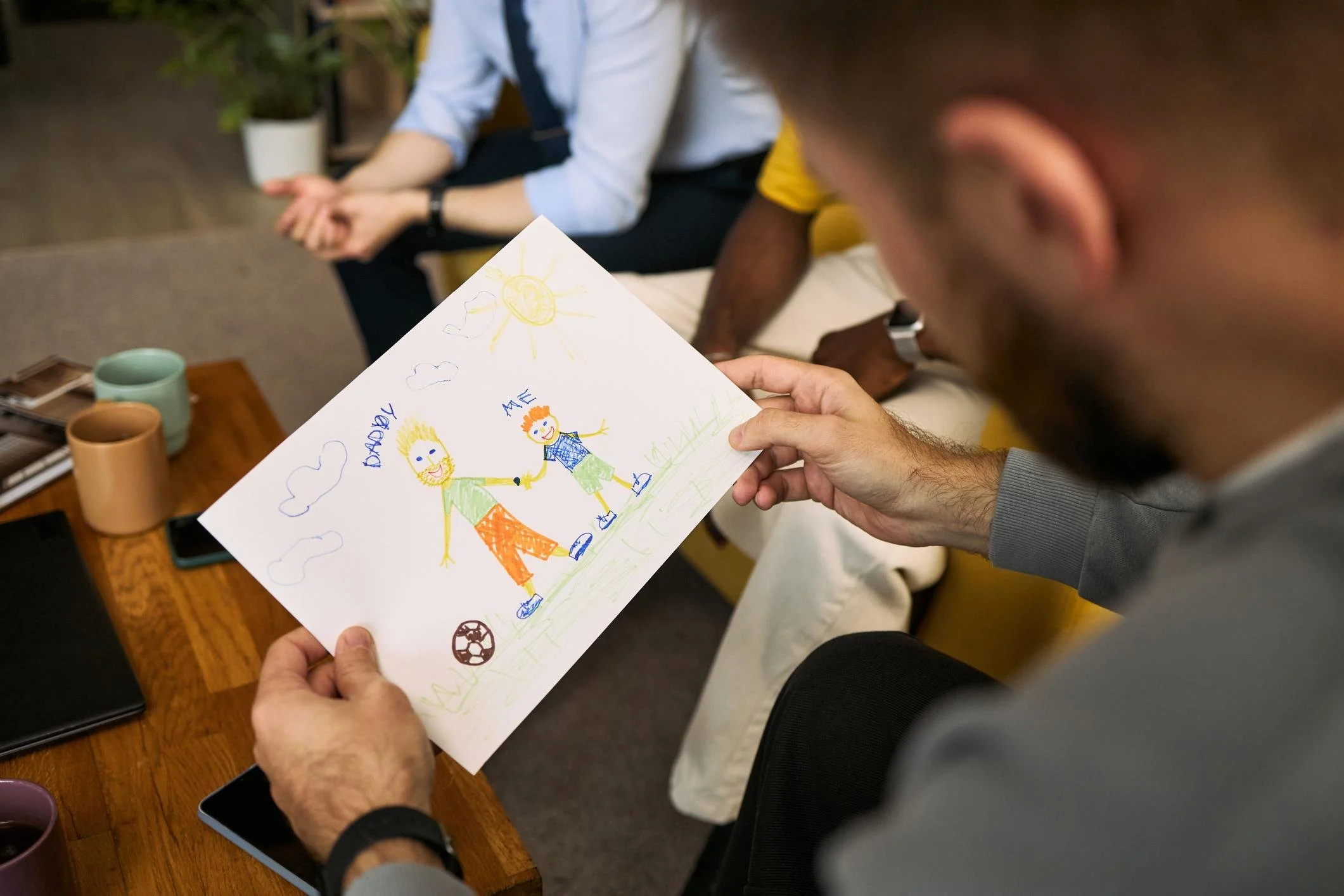
When parents separate, decisions about children are often some of the most difficult and emotional issues to getting right.
Traditional family mediation involves the parents, or other primary caregivers, working with a mediator to discuss arrangements for their children. The mediator remains impartial throughout the process and helps parents explore options and find practical solutions. While the mediator can suggest approaches and facilitate discussion, it is always the parents who make the final decisions.
One of the advantages of family mediation is that conversations can go much further than those typically heard in court. A judge will usually focus on arrangements for the children and how much time they spend with each parent. Mediation allows parents to discuss wider issues, including communication, co parenting and how they can build a positive long term relationship that enables their children to thrive.
Child Inclusive Mediation builds on these principles by giving children the opportunity to speak directly with a specially trained mediator.
What is Child Inclusive Mediation?
Child Inclusive Mediation, often referred to as CIM, gives children and young people the opportunity to have their voices heard during the mediation process.
The purpose is not to ask children to make decisions or choose between their parents. Instead, it provides a safe and supportive environment where they can share their thoughts, feelings and experiences if they wish to do so.
The information shared by a child can help parents better understand their child's perspective and make arrangements that are more likely to meet their needs.
What Are the Benefits of Child Inclusive Mediation?
Child Inclusive Mediation is only effective when children participate voluntarily. They must be offered a genuine choice, and both parents must consent before the opportunity can be presented to them.
Some children may decide they do not want to take part. Speaking with a stranger may not feel right for them and that decision should always be respected. However, simply being offered the choice can be empowering.
Other children may welcome the opportunity to be heard. They may feel their views have been overlooked or that adults have been making assumptions about what they want.
The recognised benefits of Child Inclusive Mediation include:
Demonstrating respect for children as individuals and recognising their right to express their views in accordance with Article 12 of the United Nations Convention on the Rights of the Child.
Helping children feel listened to and valued.
Providing reassurance where children have worries or concerns that have not yet been addressed.
Helping parents gain a clearer understanding of their child's experiences and needs.
Reducing misunderstandings and supporting more practical and sustainable arrangements.
Giving children a safe space to speak openly without worrying about upsetting either parent.
Sometimes the process works in both directions. Children may benefit from hearing messages of reassurance from their parents, while parents gain valuable insight into what their child is experiencing.
One of the most important principles of Child Inclusive Mediation is confidentiality. A mediator will only share information that the child has given permission to pass on.
How Does the Process Work?
All accredited family mediators work within a professional code of practice which states that children and young people aged ten and above should have the opportunity to have their voices directly heard during mediation where appropriate.
The process begins with the parents. A mediator will first discuss Child Inclusive Mediation with them and obtain their joint agreement before any contact is made with the child.
The mediator will then explain:
Who they are.
What mediation is.
Why they are making contact.
What confidentiality means.
What participation would involve.
That taking part is entirely voluntary.
Children should always have the opportunity to ask questions and decide for themselves whether they would like to participate.
The discussion will be conducted in a way that is appropriate for the child's age, understanding and level of maturity.
When Child Inclusive Mediation May Not Be Suitable
As with all forms of mediation, there are circumstances where Child Inclusive Mediation may not be appropriate.
These can include situations involving significant domestic abuse, substance misuse, serious mental health concerns or other safeguarding issues.
It is also important to be aware of referral fatigue. Some children may already be involved with multiple professionals and agencies. Adding another meeting may not always be in their best interests.
A skilled mediator will continually assess how a child is coping throughout the process. If a child appears distressed, uncomfortable or under pressure from either parent, those concerns must be carefully explored.

Giving Children a Voice
When carried out appropriately, Child Inclusive Mediation can be a powerful and positive experience.
Children are not being asked to make adult decisions. Instead, they are being offered an opportunity to be heard in a safe, supportive and professionally managed environment.
With the support of their parents and a suitably trained mediator, Child Inclusive Mediation can help children feel respected, listened to and better understood during what is often a challenging period in family life.