
About Annie Ives and her Family Mediation Experience
I have worked in family law for more than 30 years and have been an accredited family mediator since 2015. My experience both as a barrister and a mediator gives me a thorough understanding of the pressures separating families can face, particularly when disagreements about children or finances become difficult to resolve.
I believe family mediation can offer a more practical, constructive and less confrontational way forward. My role is not to take sides, but to help both people have productive conversations, understand the issues that need to be resolved and work towards agreements that allow them to move forward.
From family law to family mediation
I completed my law degree at Cardiff University as a mature student before training with a local firm of solicitors. After around five years, I transferred to the Bar, completed pupillage and was called to the Bar in 1994. I am currently a member of Foregate Chambers.
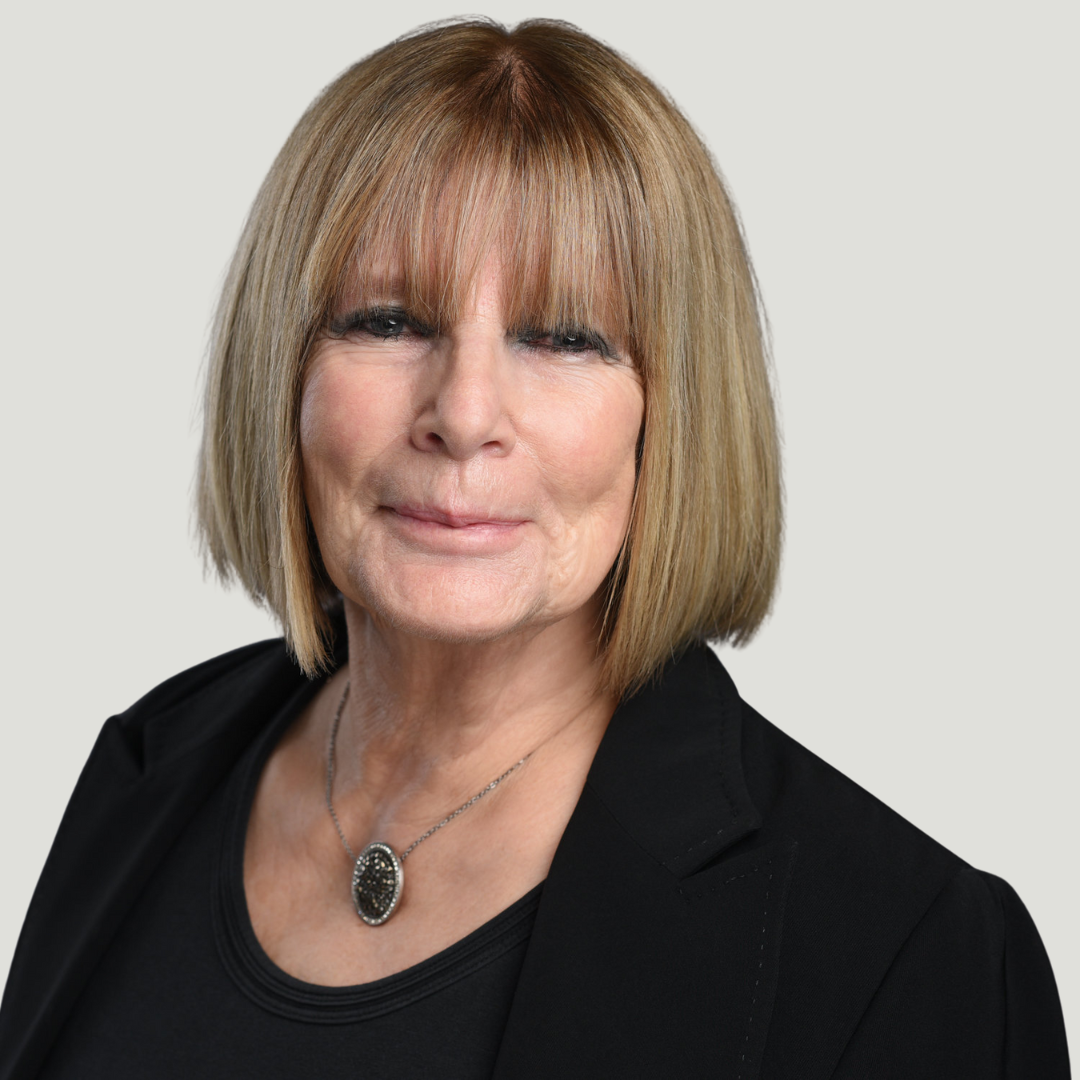
Family law became the focus of my practice early in my career. In 2012, I took a year's sabbatical and spent time in Australia, where family mediation was already flourishing. I became interested in the way mediation offered separating couples an alternative to resolving every disagreement through the court system and undertook voluntary work to gain experience.
When I returned to the UK, I decided to train as a family mediator while continuing my practice at the Bar. I felt strongly that I could use my experience of family law to help people who had become exhausted and worn down by conflict and the court process.
I was fortunate to secure a training contract with Focus Mediation in Milton Keynes. I completed my foundation training with National Family Mediation, compiled my portfolio and became accredited in 2015.
A different way through separation
Since qualifying, I have established my own family mediation practice while continuing to work at the Bar. In 2021, I relocated to Abergavenny in South Wales and now provide family mediation locally as well as online for separating couples across England and Wales.
My legal background is enormously valuable to my mediation work, but the roles are very different. As a mediator, I remain impartial. I do not act as a solicitor for either person or provide individual legal advice. Instead, I help both people identify the issues that need to be resolved, communicate constructively and explore practical ways forward.
At my first mediation practice group meeting, I was asked what I wanted to achieve. My answer was simple:
"My goal is to make mediation the first port of call for separating couples."
That remains my goal today.
Talk to Annie about family mediation
If you are separating, have been referred to mediation by your solicitor, need to discuss arrangements for your children or are trying to resolve financial matters, you are welcome to get in touch to find out whether family mediation could help.
What mediation is
Mediation gives separating couples a calm and structured space to work through decisions together. A mediator stays neutral at all times. I do not give legal advice, but I can offer clear legal information where it is helpful. This includes explaining how the family court works, what CAFCASS does, and the general legal position on divorce, arrangements for children, property, finance, pensions and state benefits.
I also offer direct consultation with children. This usually involves children aged around ten or above, although maturity and communication skills vary from child to child. I meet with the child on their own, then pass on to the parents whatever the child asks me to share. It gives young people a gentle and safe way to have their voice heard.
Mediators can also guide clients towards other support when needed. This may include domestic abuse services, financial specialists or legal advice from a solicitor at any stage of the process. Some mediators do not help with court application forms, but I am happy to assist if court involvement becomes necessary. Mediation can take place online through Zoom or in person.
The mediation process
The first step is a meeting called a mediation information and assessment meeting. Each person attends individually, unless it is a financial case and they prefer to attend together.
If both decide to proceed, sessions can usually be arranged quite quickly. The number of meetings varies depending on the issues involved. Many child arrangement cases are resolved within one or two sessions, while more complex financial matters may take four or five.
My style is direct and practical. I do not see value in dragging things out or letting people spend time and money unnecessarily. My aim is to help couples reach an outcome that feels fair, workable and future focused.
I prepare all the necessary documents, including the co parenting agreement in children cases, and the Open Financial Statement and Memorandum of Understanding in financial cases. These documents take time to produce and I have often not charged for them, though I may introduce a small admin fee as they are an important part of the process.
Since the change in law in 2024, the courts expect couples to attempt some form of dispute resolution before making an application. Mediation is a key part of this, alongside arbitration, collaborative law and Early Dispute Evaluation. I am trained to carry out Early Dispute Evaluation and am waiting on final guidance from my professional bodies before offering it as a formal service. Once confirmed, it can be added to the site.
What mediation is not
Mediation is not counselling, therapy or an attempt to rebuild a relationship. If a couple needs emotional or therapeutic support I can suggest services that may help.
I also cannot advise either person on their individual legal position. Mediation works because I remain neutral and treat the couple as a unit. My role is to help them communicate and make decisions together, which can be difficult when communication has broken down over time.
Contact us
Interested in working together? Fill out some info and we will be in touch shortly. We can’t wait to hear from you!